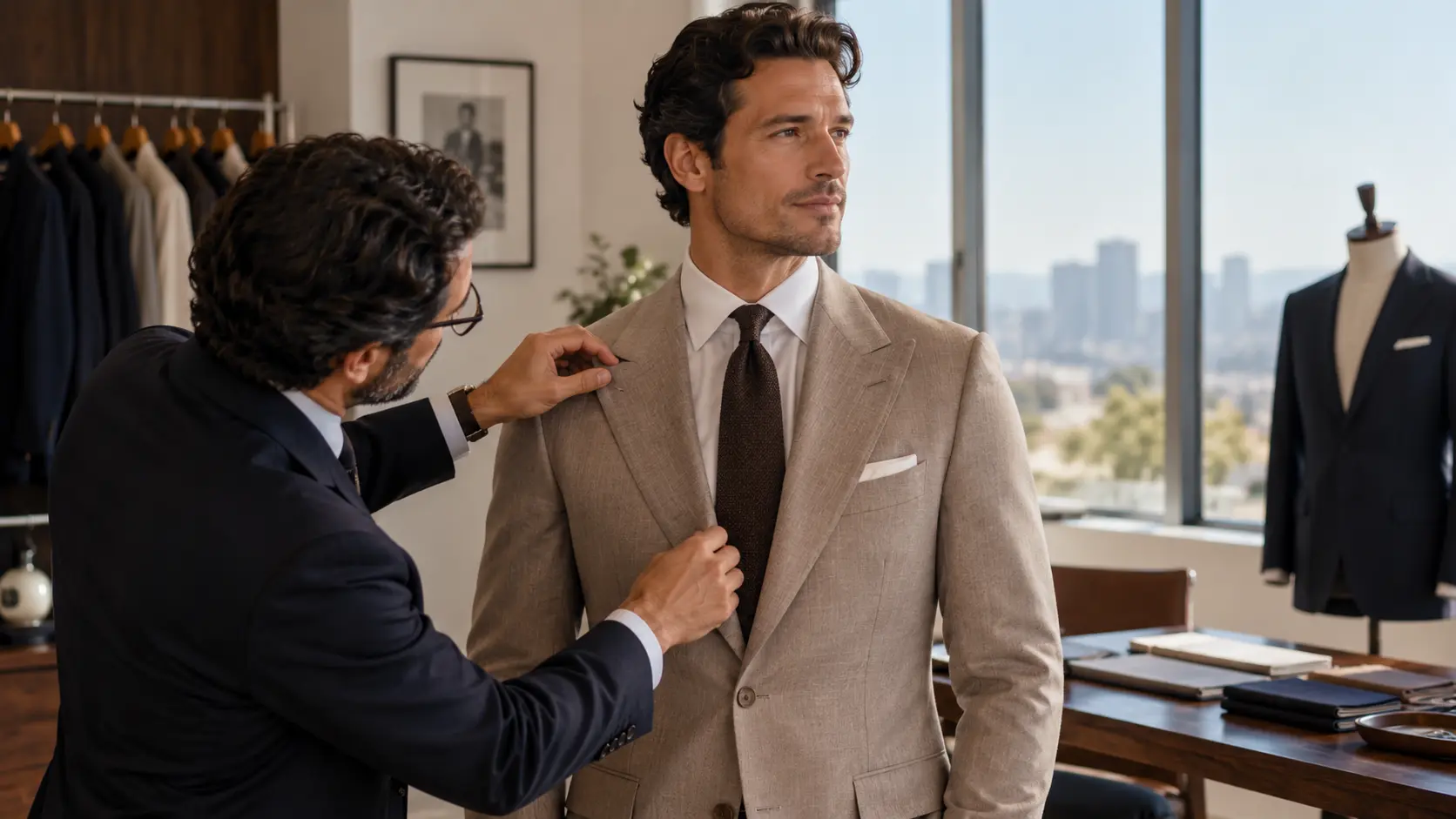
A well-made suit should look like it belongs on you.
That sounds obvious, but the difference between a suit that looks good and one that looks exceptional often comes down to decisions that are easy to overlook: the width of the lapel, the shape of the shoulder, the length of the jacket, the position of the buttons, and the way all of those elements work together.
Most men begin with color or fabric. Navy or charcoal. Wool or linen. Two-button or three-button.
Those choices matter. But proportion matters just as much.
The same fabric can look completely different depending on the architecture of the jacket. A wide peak lapel can create a very different impression from a narrow notch lapel. A structured shoulder can give a jacket authority, while a softer shoulder creates a more relaxed silhouette.
The goal isn’t to find the “best” suit style. It is to understand which combination of details works best for your build, your wardrobe and the occasions in which you will wear it.
Start With Proportion, Not Trends
Suit design works best when the individual elements are considered together.
Your height, shoulder width, chest, waist, posture and overall proportions all influence how a jacket sits on your body. That means a style that looks excellent on one person may not create the same effect on another. A well-designed jacket should create balance.
It should work with your natural proportions rather than fighting them.
Understanding Suit Lapel Styles
The lapel is one of the first details people notice on a suit jacket. It frames the chest and contributes significantly to the overall character of the garment.
There are three principal lapel styles to understand.
Notch Lapels
The notch lapel is the most versatile of the three.
The lapel and collar meet with a visible notch, creating a familiar and relatively understated appearance. It is common in business suits because it works across a wide range of professional settings.
For a first or everyday business suit, a well-proportioned notch lapel is difficult to go wrong with.
Its strength is versatility. It can feel conservative without looking dated, particularly when the width, jacket cut and fabric are balanced properly.
Peak Lapels
Peak lapels point upward and outward toward the shoulders.
They naturally create more visual emphasis around the upper body and can make the jacket feel more formal and commanding.
Peak lapels are commonly associated with double-breasted jackets, formalwear and more structured tailoring, but they can also work exceptionally well on a single-breasted suit.
For someone looking to create a stronger shoulder line or a more distinctive silhouette, a peak lapel can be an effective choice.
Shawl Lapels
Shawl lapels have a continuous, rounded shape without the notch or peak found on the other two styles.
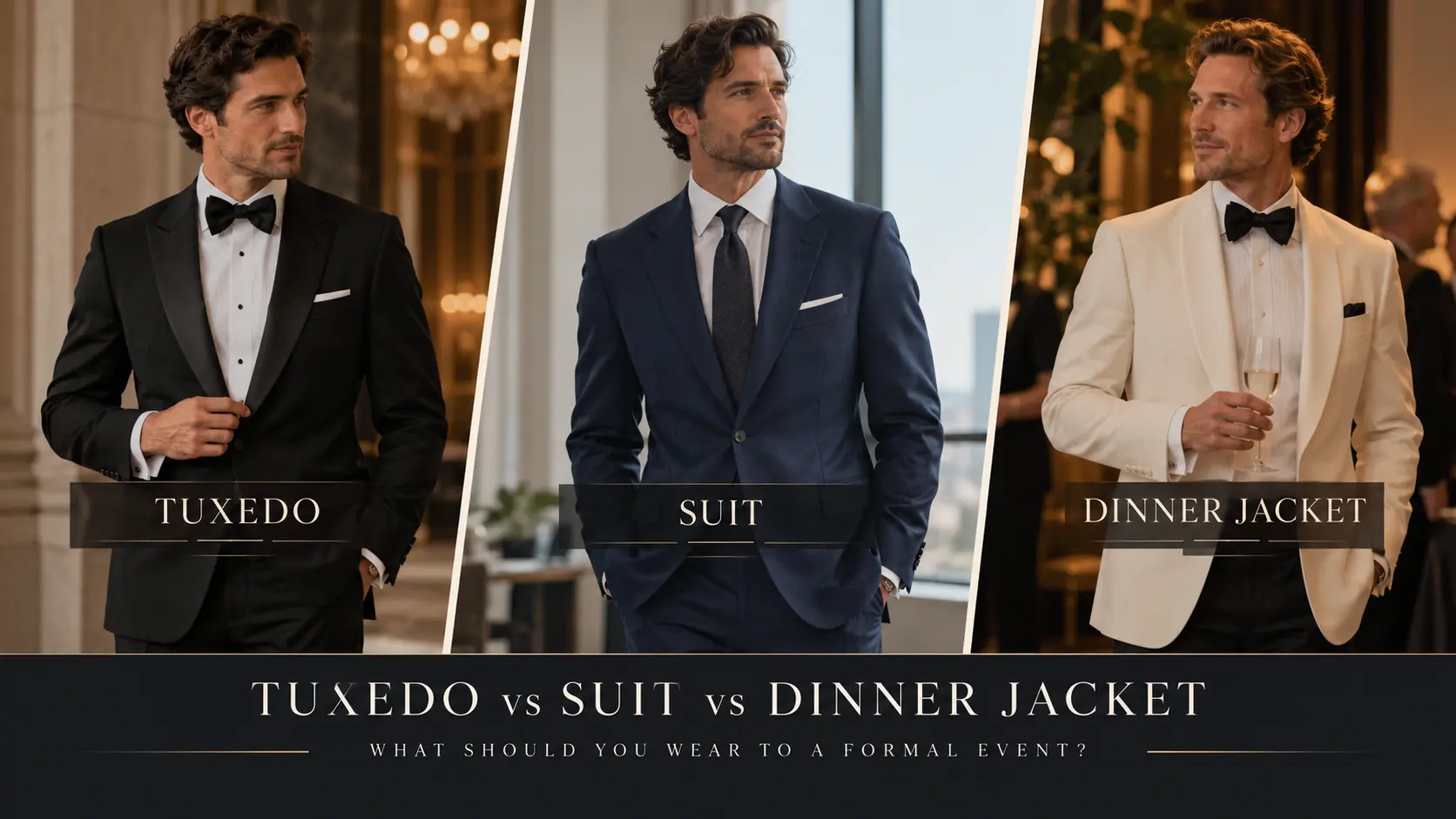
They are most closely associated with eveningwear, particularly tuxedos and dinner jackets.
Because of that association, they are generally less versatile for business wardrobes. Their strength is formal elegance rather than everyday practicality.
The right lapel, therefore, depends not only on your build but also on what the jacket is supposed to do.
Does Lapel Width Matter?
Yes. Lapel width affects visual balance, particularly in relation to your chest and shoulders.
A very narrow lapel can make a larger frame appear broader by comparison, while an overly wide lapel can overwhelm a smaller frame.
That does not mean there is one fixed measurement that every man should follow.
The better approach is to consider the lapel alongside:
• Shoulder width
• Chest size
• Jacket length
• Collar width
• Tie width
• Overall silhouette
A lapel should look intentional rather than simply fashionable. This is also why copying the current trend can be risky. Trends change. Proportion remains.
Choosing the Right Shoulder Structure
The shoulder is one of the most important structural elements of a suit.
It determines where the jacket begins and can dramatically change how the upper body is perceived.
Structured Shoulders
A more structured shoulder creates a defined silhouette.
It can add authority and presence and works particularly well in traditional business tailoring or more formal wardrobes.
For men with naturally narrow or sloping shoulders, some structure can also help create visual balance.
Soft Shoulders
A softer shoulder follows the natural shape of the body more closely.
It generally produces a more relaxed appearance and can work particularly well in lightweight fabrics, less formal settings and wardrobes that need versatility.
A relaxed jacket still needs to sit correctly through the shoulder, collar and chest.
The Shoulder Seam
Regardless of the construction style, the shoulder should sit cleanly.
If the shoulder seam extends too far beyond your natural shoulder, the jacket can look oversized.
If it sits too far inward, the jacket can appear restrictive.
This is one of the areas where fit becomes more important than the label on the garment.
Jacket Length: The Detail Most Men Overlook
A jacket can have beautiful fabric, excellent construction and the right lapel and still look wrong if the length is off.
Jacket length affects the relationship between the upper and lower halves of the body.
A jacket that is too short can make the torso appear compressed and the legs disproportionately long.
A jacket that is too long can make the body appear shorter and heavier.
There is no single ideal jacket length that applies equally to every man. Height, proportions, posture and the intended silhouette all matter.
Button Stance Changes the Silhouette
The position of the jacket buttons is another subtle design decision.
A higher button stance can visually lengthen the lower half of the body and create a different relationship between the chest and waist.
A lower stance can expose more shirt and create a longer visual line through the torso.
Again, neither is universally better.
The question is what creates the most balanced silhouette for you.
This becomes particularly relevant when other elements such as lapel width, jacket length and trouser rise are considered at the same time.
A suit is a system. Changing one proportion can affect how the others appear.
Single-Breasted or Double-Breasted?
The choice between single-breasted and double-breasted construction is partly a matter of personal style, but it also changes the visual structure of the jacket.
Single-Breasted
Single-breasted jackets are the most versatile option for most wardrobes.
They work naturally in business settings and can transition between professional and social occasions depending on the fabric, color and styling.
For someone building a foundational wardrobe, this is usually the easiest place to start.
Double-Breasted
Double-breasted jackets create greater visual presence across the chest and torso.
They can look exceptionally elegant when properly fitted, particularly when the proportions of the lapels, buttons and jacket length are carefully considered.
They also require more confidence because the design itself is more noticeable.
The important point is that double-breasted does not automatically mean formal, just as single-breasted does not automatically mean conservative.
How Your Build Should Influence the Jacket
Rather than putting every man into a rigid “body type” category, it is more useful to think about balance.
If You Have Narrower Shoulders
You may benefit from a jacket that gives the upper body a little more visual structure.
A moderately structured shoulder and well-proportioned lapel can help create balance.
If You Have Broader Shoulders
The goal is usually to avoid unnecessary exaggeration.
A clean shoulder line and appropriately scaled lapel can allow the natural proportions of the body to do the work.
If You Are Taller
Very narrow lapels or an excessively short jacket can create an unbalanced appearance.
A slightly stronger horizontal element—through lapel width, pocket placement or overall jacket proportion—can help maintain balance.
If You Are Shorter
Extremely wide lapels, oversized shoulders or an excessively long jacket can visually overwhelm the frame.
A cleaner, more streamlined silhouette can help create continuity from the shoulders to the trousers.
These are guidelines, not rules.
A man’s posture, proportions and personal style can change the answer considerably.
The Best Suit Style Is the One That Works as a Whole
This is where many suit-buying decisions go wrong.
A man chooses a lapel he likes. Then a shoulder style he saw somewhere else. Then a trouser shape from another suit. Then a jacket length based on what happens to be available.
Each individual choice may be attractive. Together, they may not work.
Good tailoring is about relationships. The lapel needs to relate to the collar. The shoulder needs to relate to the chest. The jacket length needs to relate to the trousers. The button stance needs to work with the proportions of the body. The fabric needs to support the structure of the jacket.
And all of it needs to make sense for the occasions in which the suit will actually be worn.
That is why the best custom tailoring decisions rarely begin with a single detail. They begin with the person.
Final Thought
Choosing a suit is not really about choosing between a notch lapel and a peak lapel, or between a structured shoulder and a softer one.
It is about understanding proportion.
The right jacket should work with your build, your profession, your wardrobe and the situations in which you will wear it.
Once those things are understood, the individual choices become much easier.
And that is where good tailoring begins not with a trend, but with an understanding of the person wearing the garment.
When you’re ready to build a wardrobe around fit, proportion and personal style, a private consultation is the best place to start.
Frequently Asked Questions
1. What is the best lapel style for a suit?
There is no universally best lapel style. Notch lapels are generally the most versatile for business and everyday suits, while peak lapels create a stronger and more formal appearance. Shawl lapels are most commonly associated with eveningwear. The right choice depends on your build, the purpose of the suit and the overall proportions of the jacket.
2. What lapel width should I choose?
Lapel width should be considered in relation to your shoulders, chest, collar and overall build. Very narrow or very wide lapels can look disproportionate when they are not balanced with the rest of the jacket. A well-proportioned lapel should look intentional rather than simply follow a current trend.
3. Should I choose structured or soft shoulders?
Structured shoulders create a more defined and authoritative silhouette, while soft shoulders create a more relaxed appearance. The better choice depends on your natural proportions, the formality of the suit and the look you want to achieve.
4. How should a suit jacket fit through the shoulders?
The shoulder should sit cleanly without extending noticeably beyond your natural shoulder or creating excessive tension. The jacket should allow natural movement without appearing loose or collapsed. Because shoulder fit is difficult to correct significantly after construction, it is one of the most important areas to get right.
5. Does jacket length matter when choosing a suit?
Yes. Jacket length affects the visual balance between the upper and lower body. A jacket that is too short can make the torso look compressed, while one that is too long can make the wearer appear shorter. The ideal length depends on height, proportions, posture and the intended silhouette.
6. Can a tailor choose the right suit style for my body?
Yes. An experienced tailor can assess your proportions, posture and intended use of the garment and recommend a combination of lapel, shoulder, jacket length and other design details. The goal is not simply to follow a standard body-type chart, but to create a balanced silhouette that works specifically for you.