
For many men, the word pastel still carries the wrong association.
Too bold. Too trendy. Too casual.
The reality is quite different.
Walk through executive networking events in Los Angeles, luxury summer weddings, or rooftop business gatherings, and you’ll notice a subtle shift. Soft pinks, light blues, lavenders, and refined neutrals are becoming part of the modern professional wardrobe.
The difference isn’t the color. It’s how it’s worn.
When tailored correctly and styled with intention, pastel suits project confidence, sophistication, and modern leadership not casualness.
The key is understanding that fit, structure, and styling matter far more than the color itself.
Why Pastels Are Becoming More Popular
Professional wardrobes have evolved. Executives no longer need to choose between looking conservative and looking contemporary.
Lighter color palettes offer several advantages:
- They feel seasonally appropriate.
- They photograph beautifully.
- They appear approachable without sacrificing professionalism.
- They reflect confidence rather than conformity.
In cities like Los Angeles, where business often blends with lifestyle, these qualities make pastel tailoring especially relevant.
Why This Matters for Executives
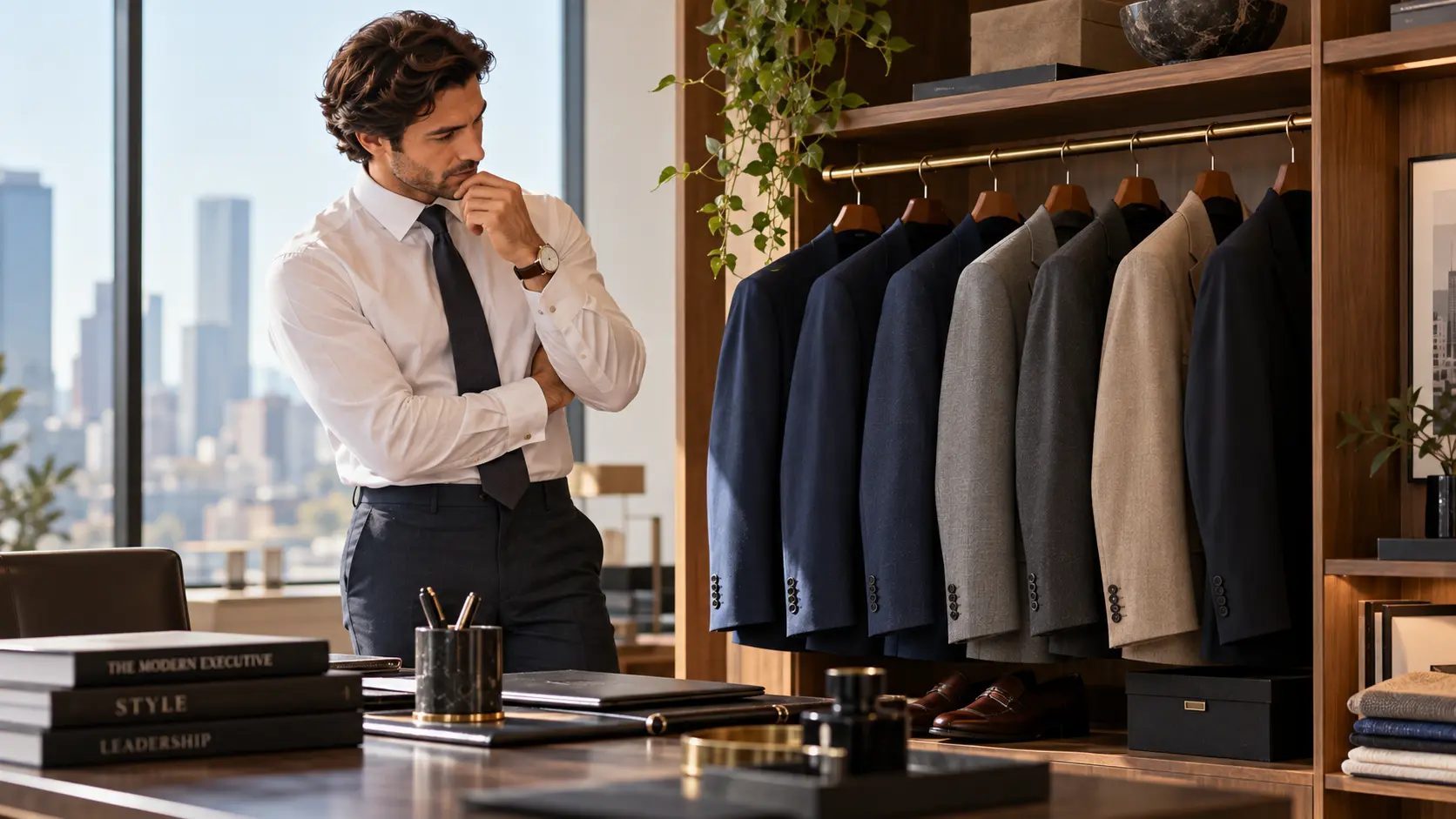
Your wardrobe influences perception long before your introduction. Traditional colors like navy and charcoal remain essential. But wearing softer colors strategically demonstrates something different: Adaptability.Confidence. Attention to context.
Choosing a pastel suit isn’t about standing out. It’s about dressing appropriately for the season while maintaining executive credibility. When styled well, pastels communicate quiet confidence rather than unnecessary attention.
The Three Rules That Keep Pastels Professional
1. Structure Comes Before Color
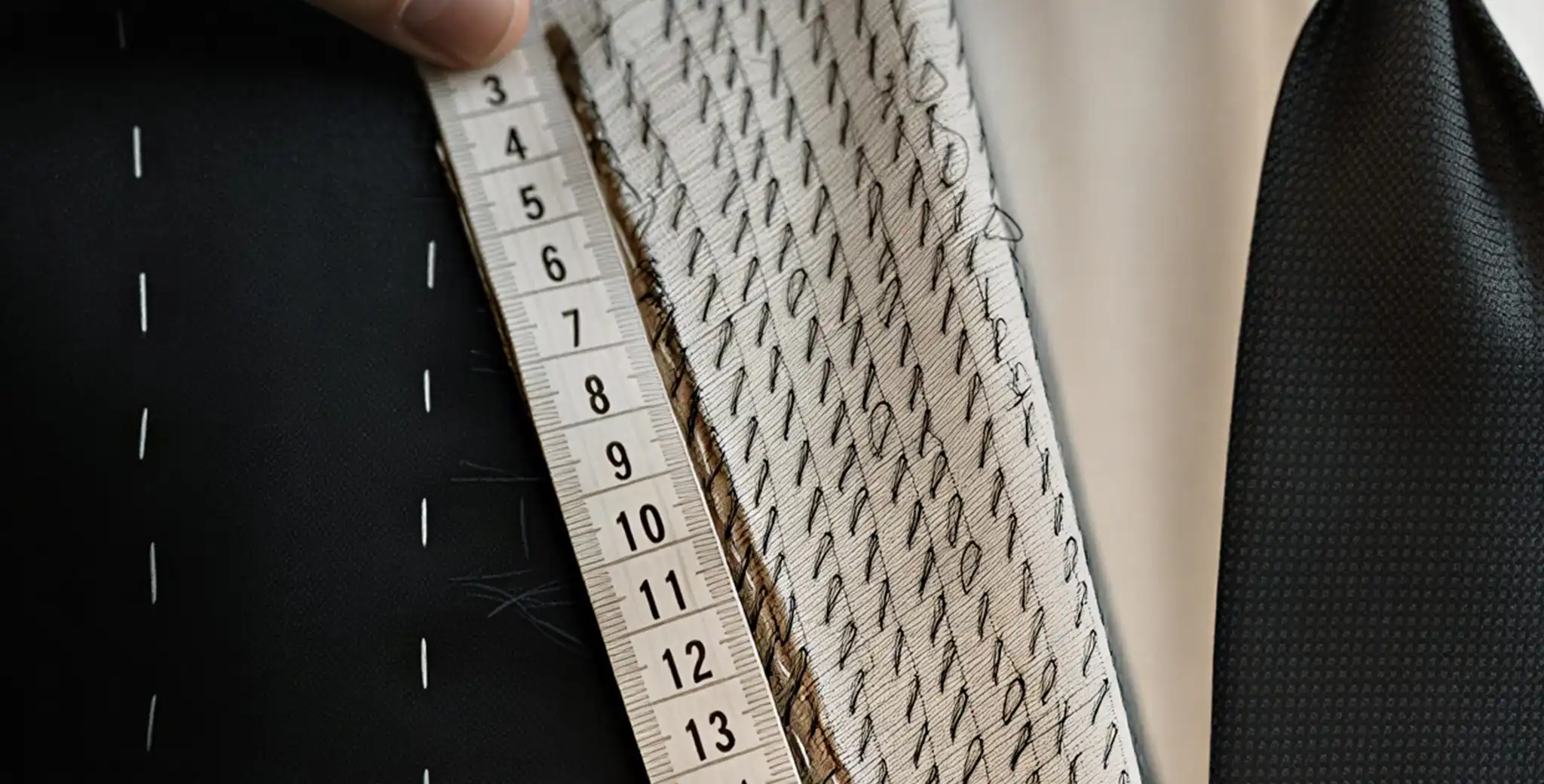
A pastel suit with poor construction immediately feels casual. A well-structured jacket changes everything.
Look for:
- Defined shoulders
- Clean lapels
- Balanced proportions
- Tailored waist suppression
- Proper sleeve length
These details communicate professionalism before the color is even noticed.
2. Keep Everything Else Simple
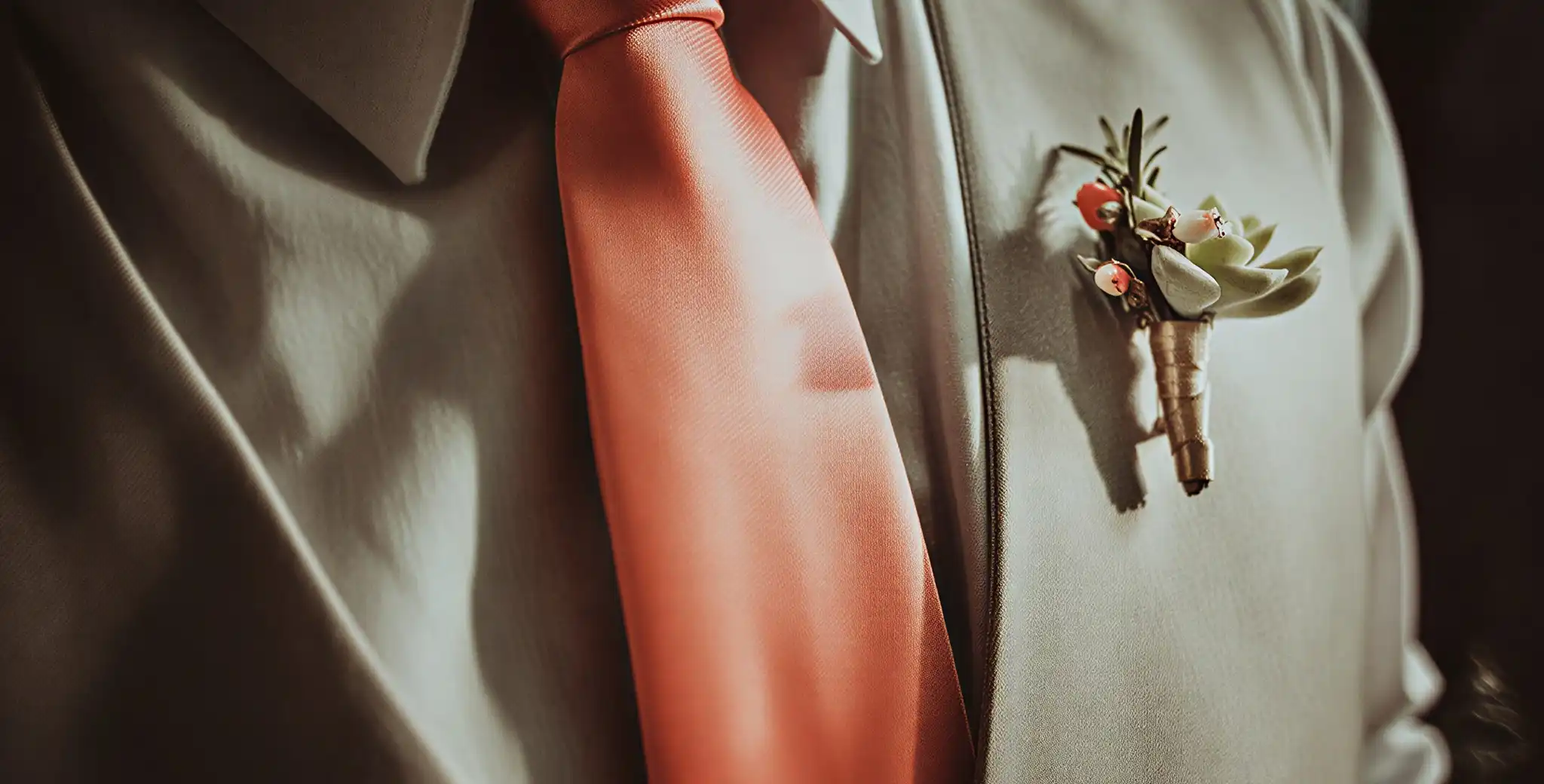
Pastels work best when they’re the only statement.
Pair them with:
- Crisp white shirts
- Fine cotton dress shirts
- Minimal accessories
- Brown leather shoes
- Classic watches
Avoid combining pastel tailoring with loud patterns or oversized accessories.
3. Choose Premium Fabrics
Pastel colors naturally reveal fabric quality. Low-quality materials wrinkle quickly and lose their elegance.
Premium wool, lightweight wool blends, and fine Italian fabrics maintain their structure throughout the day.Quality fabric helps lighter colors appear luxurious instead of casual.
How to Wear Light Blue Professionally
Light blue is often the easiest introduction to pastel tailoring. It feels familiar while offering more personality than navy.
Perfect for:
- Client meetings
- Summer conferences
- Business lunches
- Networking events
Pair with:
- White shirt
- Navy tie
- Brown oxfords
- White pocket square
The result feels confident, polished, and executive.
How to Wear Soft Pink Confidently
Pink has quietly become one of the most sophisticated colors in modern menswear. The key is choosing muted tones rather than vibrant shades.
Soft blush or dusty pink works particularly well for:
- Summer weddings
- Charity galas
- Outdoor executive events
- Luxury social gatherings
Keep everything else understated. The suit should never compete with the accessories.
How to Wear Lavender Without Overdoing It
Lavender is often misunderstood. When paired correctly, it becomes one of the most elegant summer tailoring options available.
Combine it with:
- White shirt
- Grey tie
- Brown loafers
- Silver accessories
The goal isn’t to appear fashionable. It’s to appear composed, modern, and intentional.
Why Bespoke Makes Pastels Work Better
Lighter colors highlight every detail. That includes the good and the bad.
Poor fit becomes easier to notice. Wrinkles become more visible.
Incorrect proportions stand out immediately. This is why bespoke tailoring becomes especially valuable with pastel garments.
Every measurement is refined around your body, ensuring the color enhances your appearance rather than distracting from it.
The Michael Sahi Approach
At Michael Sahi, color is never chosen in isolation.
Every recommendation considers:
- Your profession
- Your lifestyle
- Your complexion
- Your goals
- Your existing wardrobe
A pastel suit shouldn’t feel like a fashion experiment. It should feel like a natural extension of your executive wardrobe.
That’s why softer colors are introduced strategically, creating versatility without compromising professionalism.
Conclusion
Pastels aren’t replacing classic tailoring. They’re expanding it.
When combined with excellent fit, quality craftsmanship, and thoughtful styling, colors like light blue, blush pink, and lavender become powerful additions to a modern executive wardrobe.
Professional style isn’t defined by playing it safe. It’s defined by making intentional choices that reflect confidence and authenticity.
The color doesn’t determine whether a suit feels professional. The tailoring does.
Ready to Add Color to Your Wardrobe?
Whether you’re considering your first light blue suit or exploring softer tones for the season, the right guidance makes all the difference.
At Michael Sahi, every bespoke consultation is tailored to your profession, lifestyle, and personal style helping you build a wardrobe that’s both timeless and distinctly yours.
Book your private consultation today and discover how modern tailoring can elevate your executive presence.
Frequently Asked Questions
Q1. Can executives wear pastel suits to business meetings?
Yes. When paired with structured tailoring, classic shirts, and understated accessories, pastel suits can look polished and professional.
Q2. Which pastel color is easiest to wear?
Light blue is the most versatile option, offering a subtle alternative to navy while remaining appropriate for most professional settings.
Q3. Are pink suits suitable for professionals?
Muted shades such as blush or dusty pink can work exceptionally well for summer events, networking functions, and weddings when tailored properly.
Q4. Do pastel suits work in Los Angeles?
Absolutely. Los Angeles’ warm climate and modern business culture make lighter colors both practical and stylish for executives.
Q5. How do I keep a pastel suit from looking casual?
Focus on impeccable fit, premium fabrics, structured tailoring, and minimal accessories. The craftsmanship—not the color—determines how formal the suit appears.