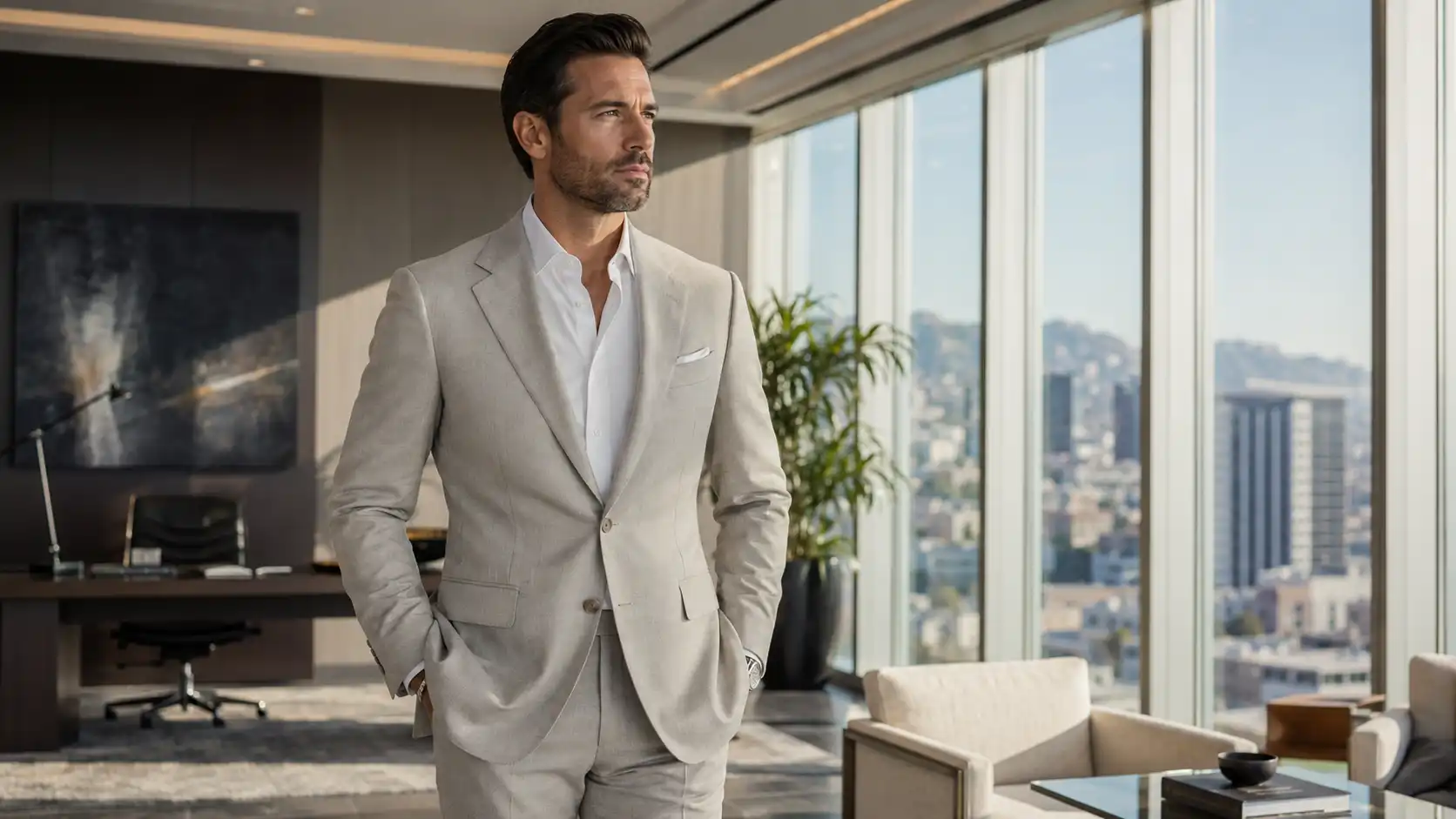
For years, building a professional wardrobe was simple. Buy a navy suit. Add charcoal. Keep a black suit for formal occasions.
While those classics remain essential, the modern executive wardrobe has evolved.
Professionals in Los Angeles are dressing differently not because tradition has disappeared, but because the way we work has changed.
Today’s executive moves between boardrooms, creative meetings, networking events, client dinners, and weekend celebrations.
One wardrobe now needs to perform across multiple environments. That shift is changing the colors professionals choose.
Instead of asking,“What’s the safest color?”
Today’s leaders ask, “What color best reflects how I want to be perceived?”
Why Suit Color Matters More Than You Think
Color is one of the first things people process. Before someone notices the stitching, fabric, or craftsmanship, they notice the overall impression.
The right color can communicate:
- Confidence
- Professionalism
- Approachability
- Sophistication
- Attention to detail
The wrong color can make an outfit feel too formal, too casual, or disconnected from the setting. Suit color isn’t about following trends. It’s about choosing the right message.
Why This Matters for Executives
Executives don’t wear suits simply because they’re expected to. They wear them because presentation influences perception.
A thoughtfully chosen wardrobe removes unnecessary distractions and allows people to focus on your ideas.
The goal isn’t to impress. It’s to create consistency.
When your appearance aligns with your professionalism, credibility becomes easier to establish. That’s why color deserves as much consideration as fit.
1. Navy – The Foundation of Every Executive Wardrobe
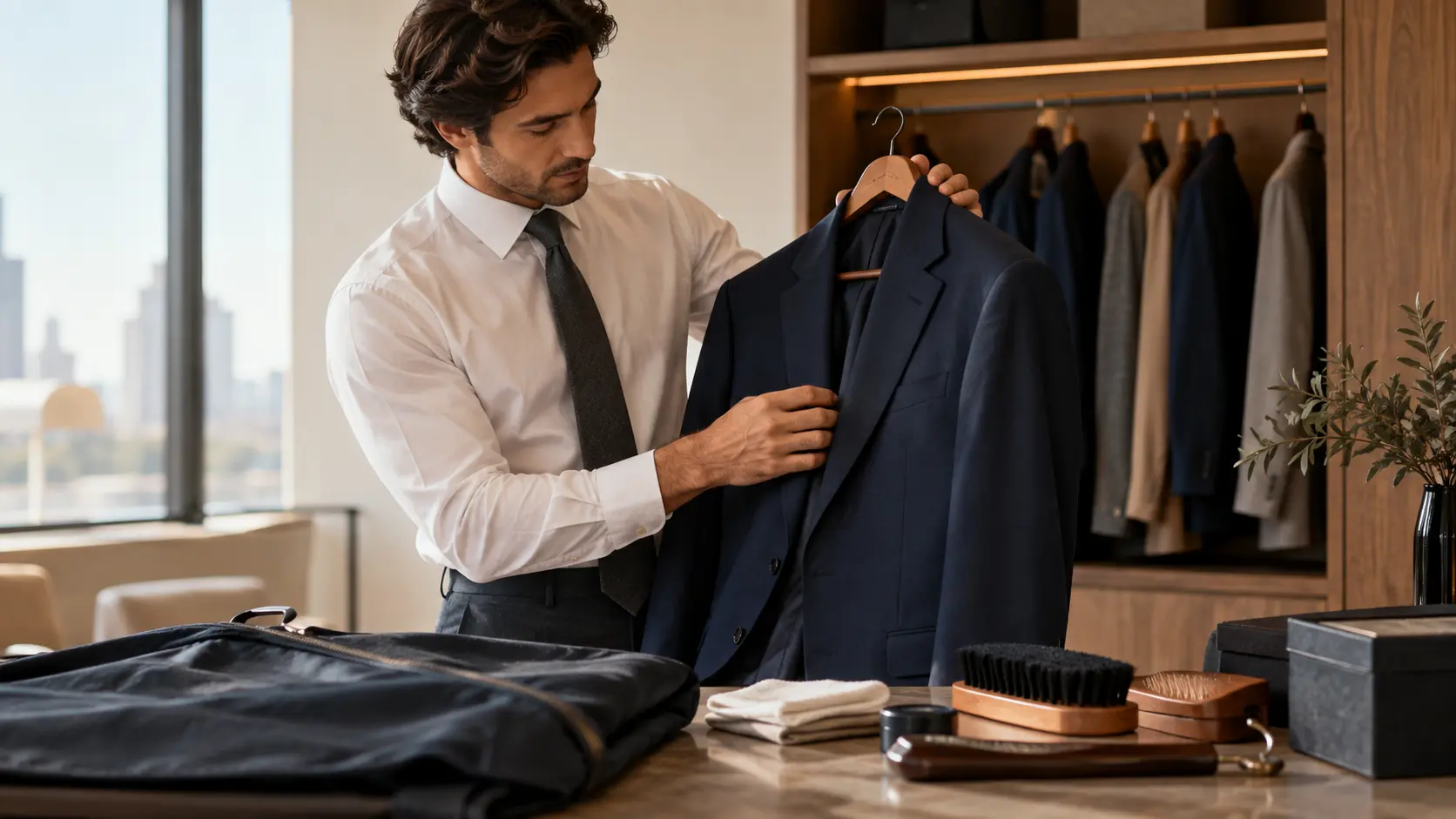
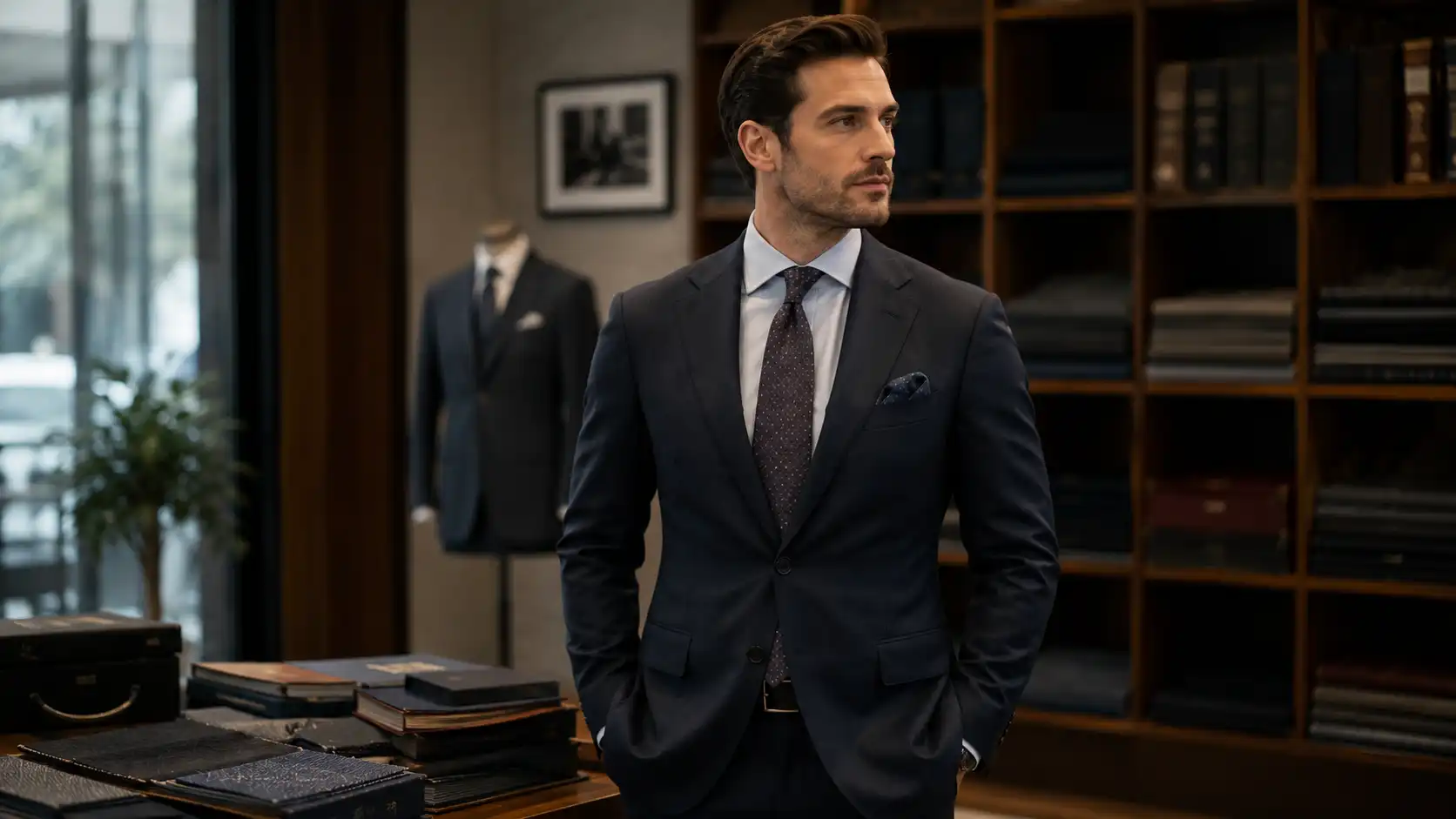
If every executive owned only one suit, navy would still be the best investment. Why? Because it works almost everywhere.
Navy projects: Confidence, Reliability, Professionalism
It transitions seamlessly between:
- Board meetings
- Client presentations
- Networking events
- Interviews
- Formal dinners
Pair it with:
- White shirt
- Light blue shirt
- Burgundy tie
- Brown leather shoes
Navy remains timeless because it adapts rather than dominates.
2. Stone – The New Executive Neutral
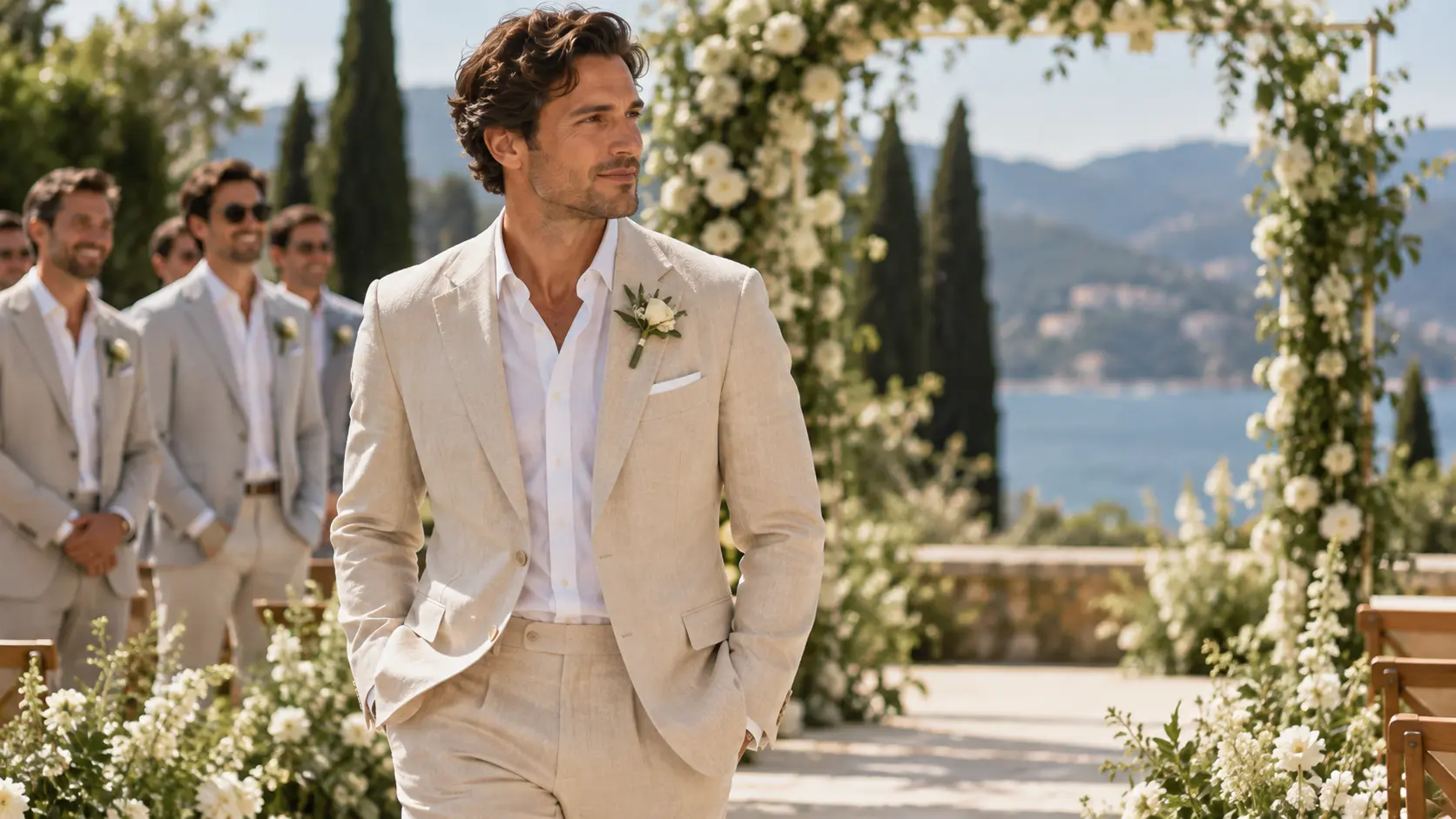
Stone has become one of the defining colors of modern executive tailoring. Especially in Los Angeles. It feels lighter than grey but remains polished.
Stone works beautifully for:
- Summer business events
- Outdoor networking
- Executive lunches
- Luxury hospitality
- Daytime weddings
It also photographs exceptionally well under natural light. This makes it a practical and stylish choice for professionals whose personal brand extends across social media and public appearances.
3. Sage Green – The Modern Statement
Green is no longer reserved for fashion-forward dressers. Muted sage has become one of the most sophisticated colors in contemporary tailoring. Unlike brighter greens, sage communicates calm confidence.
It pairs beautifully with:
- White shirts
- Ivory knitwear
- Brown suede shoes
- Soft textured ties
For professionals looking to introduce personality without sacrificing credibility, sage offers the perfect balance.
4. Light Blue – Confident Without Trying Too Hard
Light blue has emerged as one of the most versatile colors in warm-weather tailoring. It feels approachable.
Fresh. Modern. Ideal for:
- Conferences
- Client lunches
- Speaking engagements
- Outdoor receptions
When tailored well, a light blue suit projects confidence without appearing overly formal.
5. Soft Taupe – Quiet Luxury at Its Best
Taupe represents everything modern luxury stands for Subtle.Refined.Timeless. Unlike trend-driven colors, taupe blends effortlessly with existing wardrobes.
It pairs well with:
- White
- Cream
- Chocolate brown
- Olive
- Burgundy
Professionals seeking versatility often discover that taupe becomes one of their most frequently worn suits.
Why Black Is No Longer the Default
Black remains appropriate for:
- Evening galas
- Black-tie events
- Formal ceremonies
But for everyday executive wear, many professionals are choosing softer alternatives.
Why? Because black can appear:
- Heavy
- High contrast
- Less adaptable in daylight
- Too formal for modern workplaces
Stone, navy, and taupe often create a more approachable and contemporary impression.
The Role of Fabric and Texture
Color alone doesn’t define the final result. The same shade can feel completely different depending on the fabric.
For example:
A stone suit in smooth worsted wool appears formal. The same color in a textured weave feels more relaxed and contemporary. Modern tailoring increasingly combines refined colors with subtle texture.This creates depth without relying on bold patterns.
How to Build a Versatile Executive Color Palette
Rather than chasing trends, build around versatility.
A balanced wardrobe might include:
- Navy – Business foundation
- Charcoal – Formal occasions
- Stone – Summer events
- Sage – Seasonal personality
- Light Blue – Warm-weather versatility
These five colors cover nearly every professional setting throughout the year.
Why Bespoke Makes Color Work Better
Lighter colors reveal details more clearly.
That means:
- Fit becomes more important.
- Construction becomes more noticeable.
- Proportion becomes more visible.
Bespoke tailoring ensures each color performs as intended. Instead of relying on the color itself, the garment becomes a reflection of precision. The result is a wardrobe that looks intentional from every angle.
Conclusion
The best suit color isn’t simply the most fashionable one. It’s the one that supports your profession, your lifestyle, and your personal brand. For Los Angeles professionals in 2026, that often means looking beyond black and embracing a more versatile palette.
Navy. Stone. Taupe. Light Blue. Sage.
These colors aren’t replacing classic tailoring. They’re expanding it. And when combined with exceptional fit, they become powerful tools for executive presence.
Build a Wardrobe That Works Everywhere
At Michael Sahi, every bespoke consultation begins with understanding your goals, profession, and lifestyle not simply choosing a fabric.
We’ll help you build a wardrobe where every color has a purpose, every garment has versatility, and every detail reflects the image you want to project.
Schedule your private consultation and create a wardrobe designed around your career—not just your closet.
Frequently Asked Questions
Q1. What is the best all-around suit color for professionals?
Navy remains the most versatile choice because it works across business meetings, networking events, formal occasions, and client presentations.
Q2. Are lighter-colored suits appropriate for executives?
Yes. Colors like stone, taupe, and light blue are increasingly popular because they project confidence while remaining seasonally appropriate and professional.
Q3. Is sage green suitable for business?
Muted sage can be an excellent choice for professionals who want subtle individuality while maintaining a polished executive appearance.
Q4. Should I own a black suit?
Yes, but reserve it primarily for black-tie events, evening functions, and formal ceremonies. For everyday professional wear, navy, charcoal, and softer neutrals are often more versatile.
Q5. How does bespoke tailoring affect suit color?
Exceptional tailoring enhances every color. Proper fit, structure, and fabric ensure that the chosen shade complements your body, profession, and personal style, creating a stronger overall impression.