Knowing what to wear to a wedding should be straightforward. Until you receive the invitation.
Formal. Cocktail. Black tie. Garden party. Dressy casual.
Then there is the venue, the time of day, the season and, occasionally, a wedding website with an entire page dedicated to what guests should wear.
The good news is that dressing well for a wedding does not require an entirely new wardrobe.
It requires understanding the level of formality first, then choosing the right suit, shirt, shoes and accessories around it.
Start With the Dress Code
The dress code is your starting point.
Not the color you like. Not the suit you happen to own. Not what you wore to the last wedding.
If the invitation specifies a dress code, follow it.
Black Tie
Black tie is the most specific of the common wedding dress codes.
A tuxedo, formal shirt, black bow tie and appropriate formal shoes are the traditional approach.
This is not the occasion for a standard business suit.
Formal
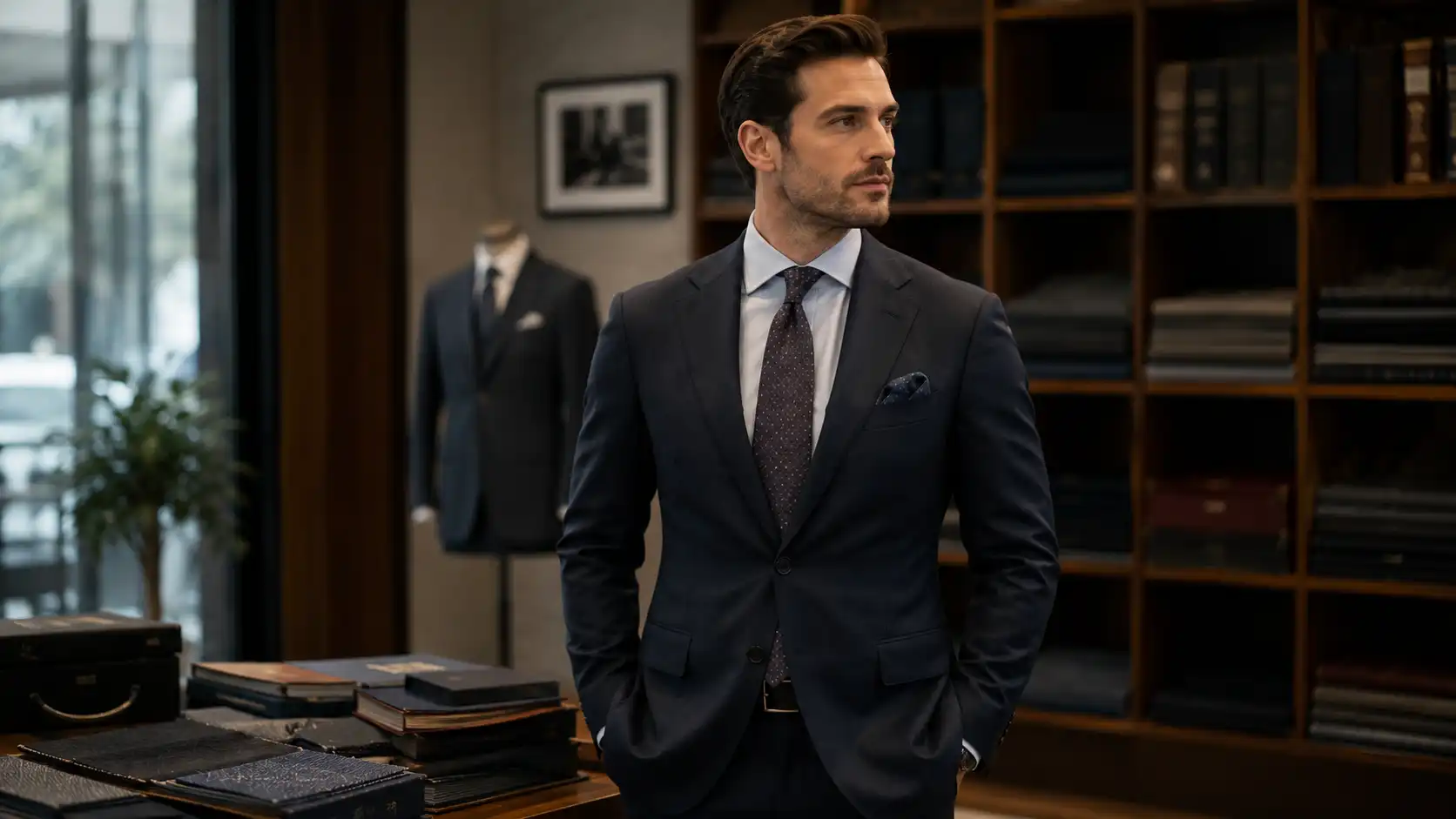
A dark, well-tailored suit is generally an appropriate starting point for a formal wedding.
Navy, charcoal and other refined dark tones work particularly well, particularly for evening celebrations.
Cocktail
Cocktail attire gives you more flexibility.
A tailored suit can be paired with a more expressive shirt, tie or accessory while still maintaining a polished appearance.
The key is still refinement.
Cocktail does not mean casual.
Dressy Casual
This is where interpretation becomes more important.
Depending on the venue and wedding setting, a tailored suit worn without a tie or a more relaxed tailored combination may be appropriate.
When the dress code is unclear, consider the venue and time of day—or ask the couple.
The Time of Day Changes the Suit
The same suit can feel very different depending on when and where you wear it.
Daytime weddings generally allow more flexibility with color and fabric.
Evening weddings tend to call for darker, more formal choices.
A lightweight blue or gray suit can work beautifully for a daytime celebration.
A deep navy or charcoal suit may feel more appropriate for an evening reception.
This doesn’t mean there are rigid rules about every color.
It means context matters.
Autumn is an excellent season for fabrics with more texture and structure.
Wool remains one of the most versatile choices because it can provide warmth, structure and a refined drape without making the suit feel unnecessarily heavy.
Depending on the setting and temperature, you can also consider fabrics such as:
Consider the Venue
A wedding in a ballroom creates a different expectation from a ceremony on a beach. The venue can tell you a great deal about the intended level of formality.
Ballroom or Hotel
Think structured tailoring, refined fabrics and darker or more formal colors.
Country Club or Estate
A classic tailored suit works well, with room for subtle texture or seasonal color.
Outdoor or Garden Wedding
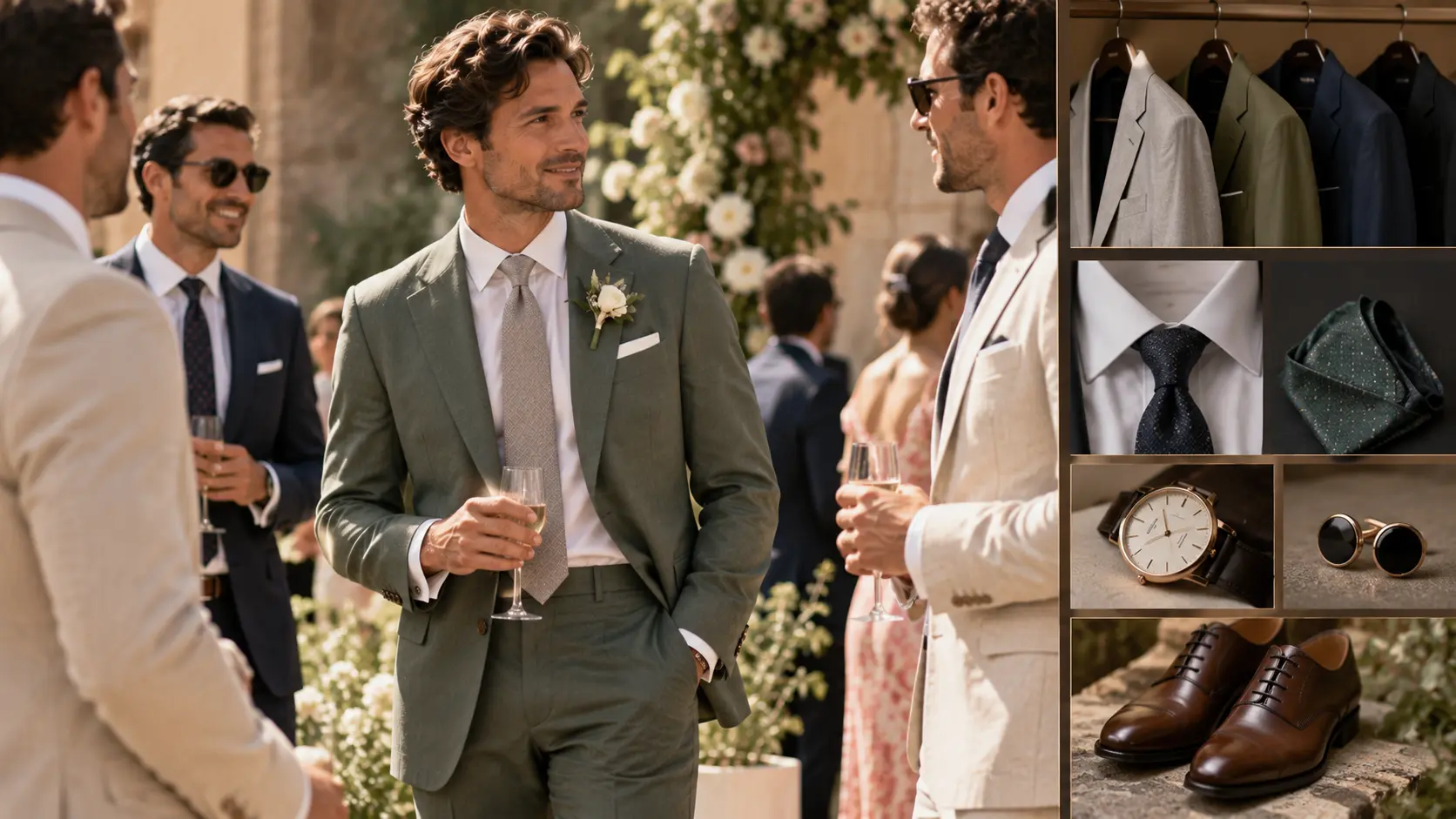
Lighter fabrics, softer construction and lighter colors may feel more natural, depending on the dress code.
Destination or Beach Wedding
Breathable fabrics and relaxed tailoring become more important.
The important point is not to dress according to the venue alone. The dress code takes priority. The venue simply helps you interpret it.
Choosing the Right Wedding Suit
For most weddings, a well-tailored suit remains the most useful choice.
Navy is particularly versatile. It can work during the day, in the evening and across different levels of formality simply by changing the shirt, tie and accessories.
Charcoal provides a more formal and understated alternative.
Gray can work well for daytime weddings.
Brown, olive or other richer colors can introduce more personality when the setting allows it.
The best wedding suit is not necessarily the most distinctive one. It is the one that makes sense for the occasion while still feeling like you
Fit Matters More Than a Statement Color
A mediocre-fitting suit in an unusual color rarely looks as sophisticated as a well-fitted suit in a classic one.
Pay attention to the fundamentals:
• Shoulders should sit cleanly.
• The collar should sit comfortably against the neck.
• The jacket should close without excessive pulling.
• Sleeves should show an appropriate amount of shirt cuff.
• Jacket length should maintain balanced proportions.
• Trousers should sit cleanly without excessive bunching.
These details are easy to overlook. They are also what make a suit look considered.
For weddings in particular, fit matters because you will likely be photographed from every angle and throughout the day.
Choose the Shirt Around the Suit
A white shirt remains the safest and most versatile choice.
It works with almost every suit color and most wedding dress codes.
Light blue can provide a softer alternative for daytime weddings.
If the event is more relaxed, subtle patterns or textures can introduce personality without overwhelming the outfit.
The shirt should support the suit rather than compete with it.
This becomes especially important when the suit itself has a pattern or distinctive texture.
Don't Underestimate the Shoes
Shoes can change the formality of an outfit considerably.
For formal weddings, polished leather shoes are a dependable choice.
Black shoes work particularly well with charcoal and more formal evening suits.
Brown footwear can complement navy, gray and certain warmer suit colors, depending on the setting.
The important thing is consistency.
A highly formal suit paired with visibly casual footwear creates a disconnect.
Your shoes should belong to the same conversation as the rest of the outfit.
Accessories Should Add Restraint, Not Noise
A wedding is an opportunity to dress well.
It is not an opportunity to wear every accessory you own.
A tie, pocket square, watch and belt may be all you need.
If you want to introduce personality, do it selectively.
A textured tie. A subtle pocket square. A refined watch.
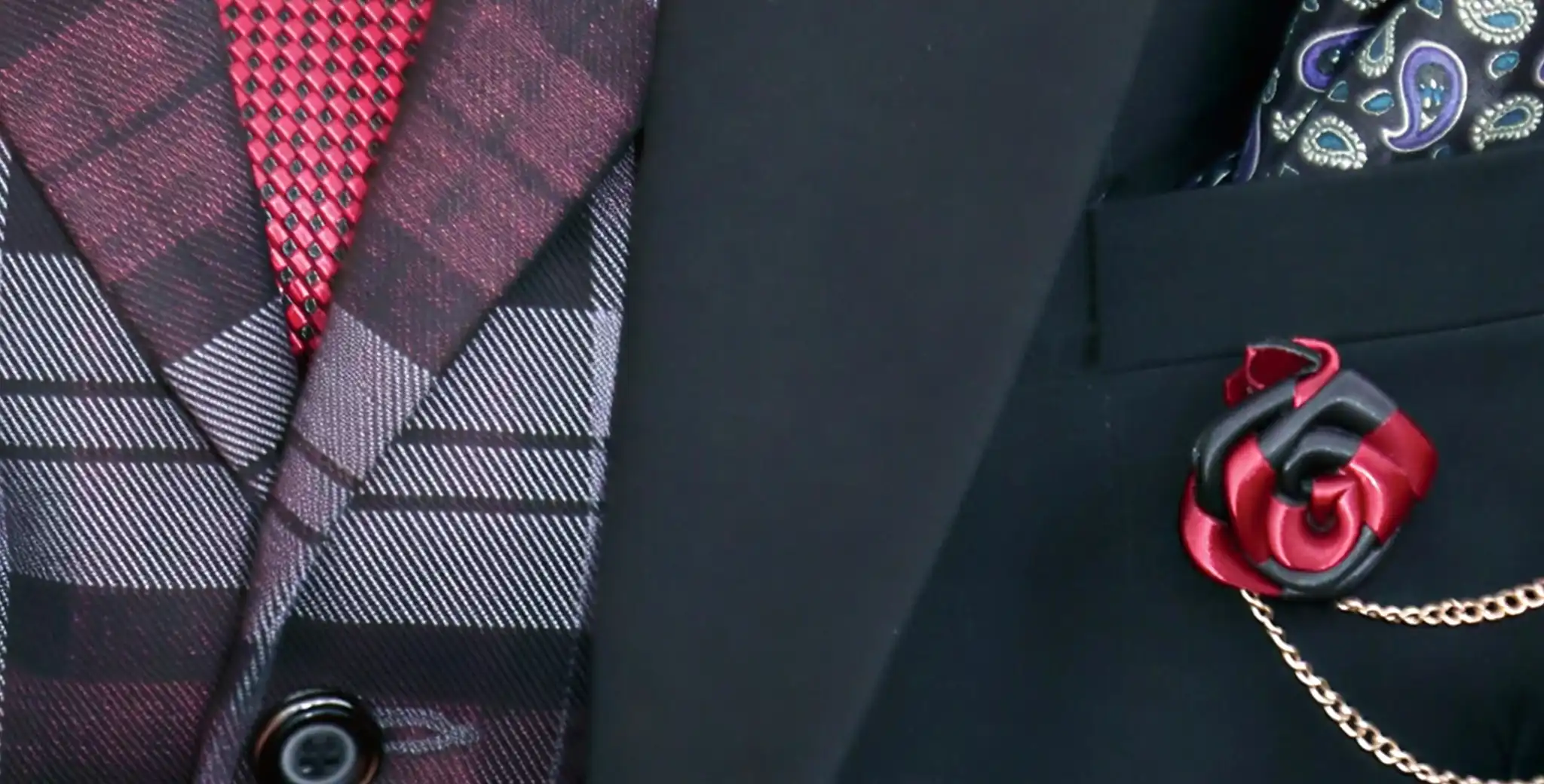
A distinctive but understated pair of cufflinks.
The strongest outfits usually have one or two details that catch the eye rather than six competing for attention.
Should You Match the Wedding Party?
No.
You should coordinate—not necessarily match.
If the wedding party is wearing burgundy, for example, you don’t need to wear a burgundy suit.
A navy or charcoal suit with a subtle burgundy tie or pocket square may create a much more sophisticated connection.
The goal is to look like a guest who understands the wedding’s visual language.
Not like an unofficial member of the wedding party.
What Should You Wear to a Summer Wedding?
Summer changes the fabric conversation.
Lightweight wool, linen blends and other breathable fabrics can make a significant difference when temperatures rise.
Lighter shades such as gray, blue, beige or softer neutrals can work particularly well for daytime weddings.
But again, the dress code comes first.
A summer wedding can still be black tie.
In that situation, the season doesn’t override the dress code.
It simply means the formalwear should be chosen with the climate in mind.
What Should You Wear to an Autumn or Winter Wedding?
Cooler seasons create more opportunities for texture and depth.
Wool, flannel and other textured fabrics can work particularly well.
Navy, charcoal, deep brown, forest green and other richer colors can complement the season naturally.
Layering can also become part of the outfit.
But the same principle applies:
Seasonal dressing should support the occasion, not replace the dress code.
What Should a Man Wear to a Wedding as a Guest?
If you’re unsure, start with these questions:
What is the dress code? This determines the baseline.
What time is the wedding? Daytime and evening can call for different levels of formality.
Where is it being held? The venue provides useful context.
What is the season and climate? This influences fabric and construction.
What will allow you to move comfortably for several hours? A wedding isn’t a two-hour photo opportunity.
You may be standing, sitting, walking, dancing and moving between locations. Your clothing needs to work through all of it.
What Not to Wear to a Wedding
There are also a few simple mistakes worth avoiding.
Don’t ignore the dress code.
Don’t wear a visibly worn or poorly fitting suit simply because it is technically formal enough.
Don’t introduce overly casual footwear to an otherwise formal outfit.
Don’t over-accessorize.
And unless you’re specifically asked to, don’t dress in a way that competes with the groom.
The best wedding guest is usually well-dressed without becoming the subject of conversation.
The Best Wedding Outfit Doesn't Have to Be Complicated
Good wedding dressing comes down to a surprisingly simple sequence.
Understand the dress code.
Consider the time, venue and season.
Choose the appropriate level of tailoring.
Build the shirt, shoes and accessories around it.
Make sure everything fits properly.
Once those decisions are right, the outfit doesn’t need much else.
A well-cut navy suit, a crisp shirt, appropriate shoes and carefully chosen accessories can often accomplish more than an outfit built around trying to stand out.
Because good style isn’t about being the most noticeable person in the room.
It’s about looking like you belong there.
When Tailoring Makes a Difference
Weddings are among the occasions where fit becomes especially visible.
You will be photographed. You’ll likely wear the suit for several hours. And unlike a business meeting, you’ll be moving between different settings throughout the day.
A suit that fits well when you’re standing still should also work when you’re sitting, walking and moving.
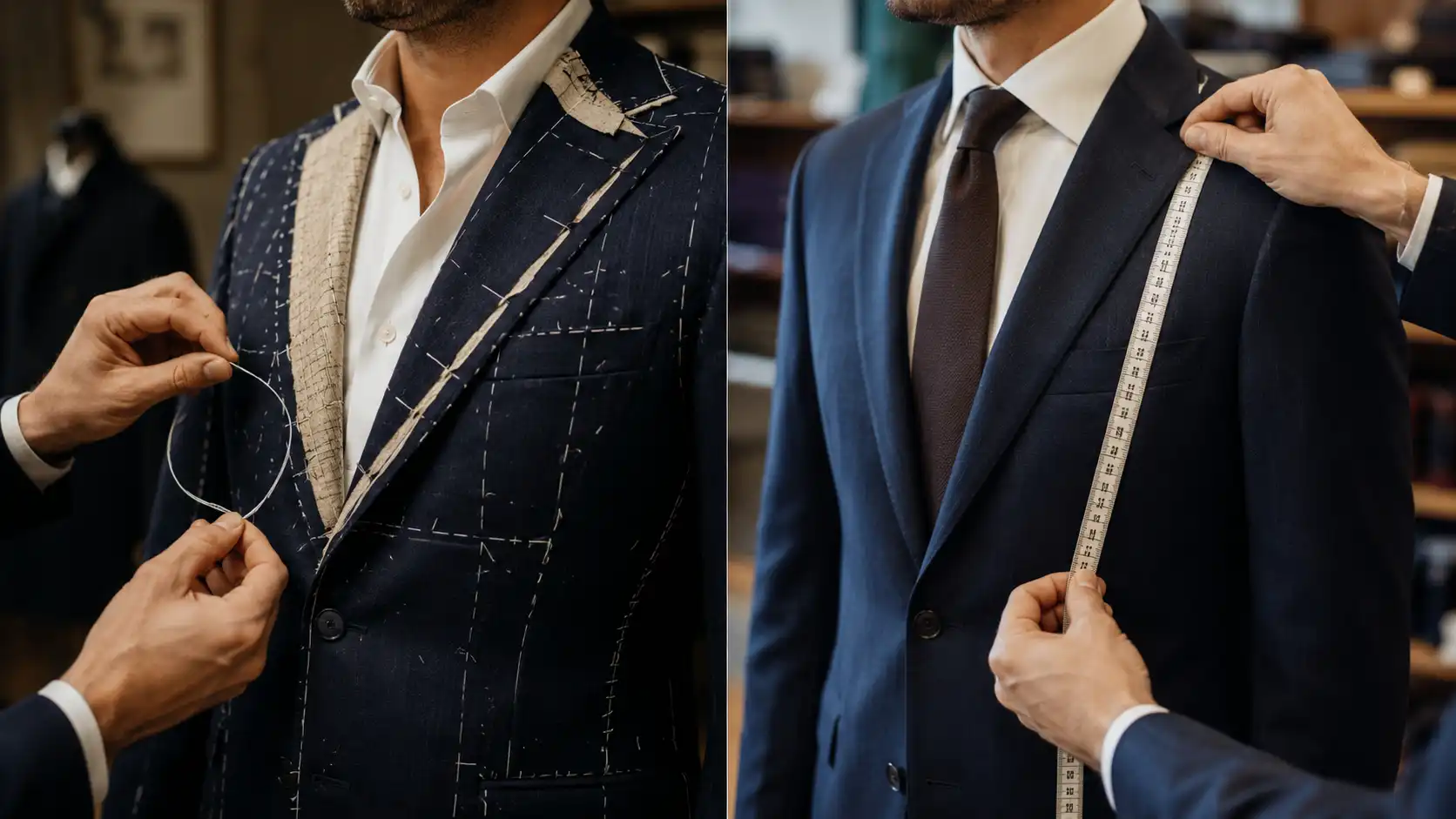
Bespoke tailoring allows the proportions of the garment to be considered around the individual rather than simply adjusted from a standard size.
For a wedding guest who attends formal occasions regularly, that can turn a suit from something you wear occasionally into one of the most useful pieces in your wardrobe.
When you’re ready for a suit designed around your proportions, lifestyle and the occasions you actually attend, a private consultation is the right place to begin.
Frequently Asked Questions
1. What should a man wear to a wedding?
Start with the dress code on the invitation. A tailored suit is appropriate for many weddings, while black-tie weddings require a tuxedo. The venue, time of day and season can then guide your choice of color and fabric.
2. What color suit is best for a wedding?
Navy is one of the most versatile choices, while charcoal, gray, brown and other colors can work depending on the formality, season and time of day. The best color is one that suits both the occasion and the person wearing it.
3. Can I wear a black suit to a wedding?
Yes, depending on the dress code. A black suit can work for formal evening weddings, but it should not automatically be treated as a substitute for a tuxedo when the invitation specifies black tie.
4. Should wedding guests wear a tie?
For formal and many cocktail weddings, a tie is generally the safer choice. For more relaxed weddings, going without one may be appropriate. The invitation and overall setting should guide the decision.
5. Can I wear a suit I’ve worn to other weddings?
Absolutely. A well-made suit should not be limited to one occasion. Changing the shirt, tie, shoes and accessories can create a different look while allowing the underlying suit to remain useful.
6. Should a wedding guest wear a bespoke suit?
Bespoke tailoring can be valuable if you want a highly personalized fit, particularly if you attend weddings and other formal occasions regularly. The advantage is not simply exclusivity, it is the ability to build the garment around your proportions, comfort and personal style